Galileo-2 FM3-FM4
Liftoff Time
No Earlier Than 2027
Watch Livestream
Not Yet Available
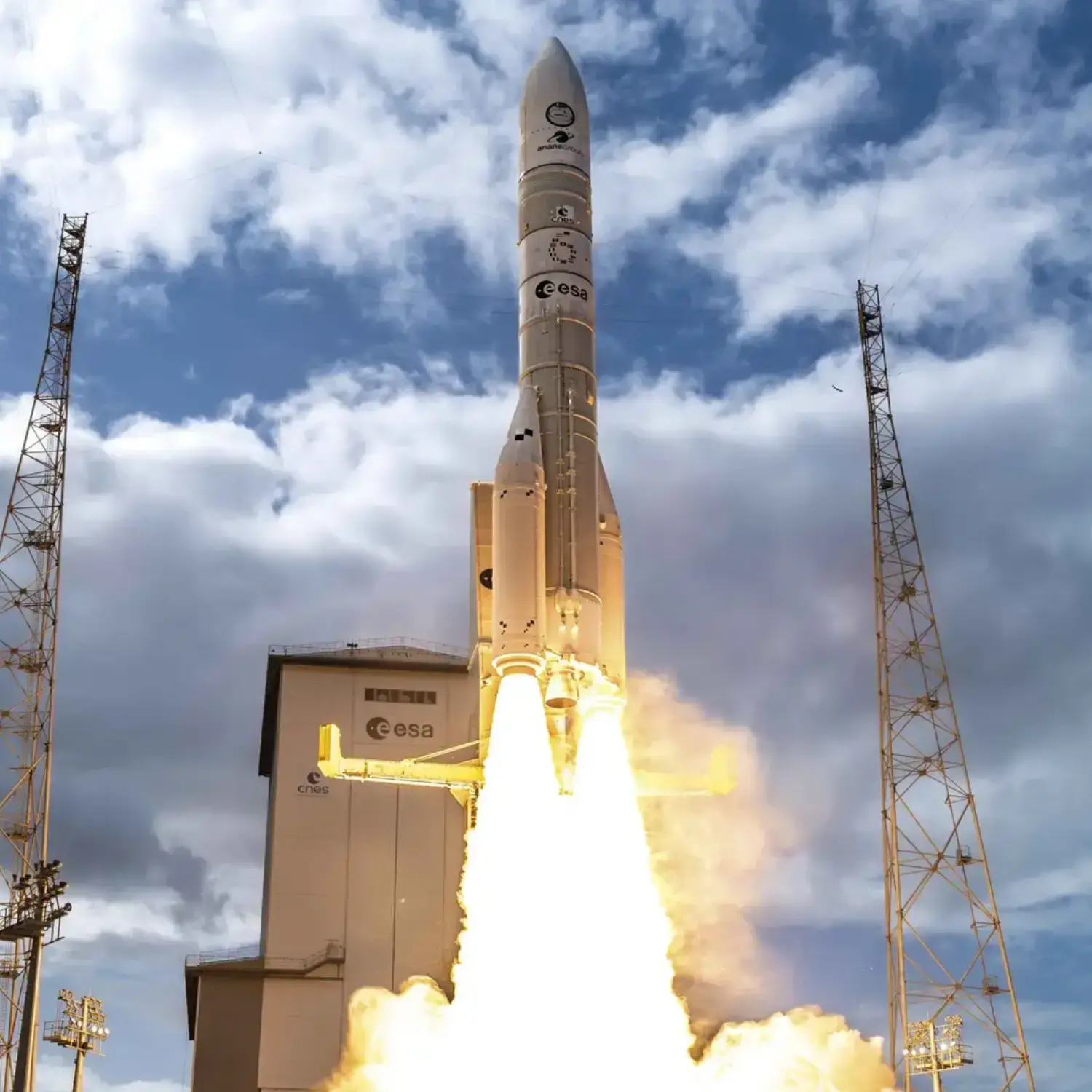
Mission Details
Galileo-2 FM3-FM4
(Galileo L18)
Galileo is the global navigation satellite system (GNSS) that went live in 2016, created by the European Union (EU) through the European GNSS Agency (GSA), headquartered in Prague in the Czech Republic, with two ground operations centers, Oberpfaffenhofen near Munich in Germany and Fucino in Italy. The project is named after the Italian astronomer Galileo Galilei. One of the aims of Galileo is to provide an independent high-precision positioning system so European nations do not have to rely on the U.S. GPS, or the Russian GLONASS systems, which could be disabled or degraded by their operators at any time. Galileo Second Generation satellites will integrate seamlessly with the current fleet to form the largest European satellite constellation and deliver essential services worldwide. With fully digital navigation payloads, electric propulsion, a better-performing navigation antenna, inter-satellite link capacity and an advanced atomic clock configuration, G2 satellites will provide more robust and reliable positioning, navigation and timing.
Operator: EU Agency for the Space Programme
Medium Earth Orbit
2 Payloads
4,600 kilograms