Starlink Group 31-1
Launch Success
Liftoff Time (GMT)
12:48:59
Monday September 28, 2026
Watch Replay
NASASpaceflight.com
Mission Details
Read Article
Track Payloads
Launch Notes
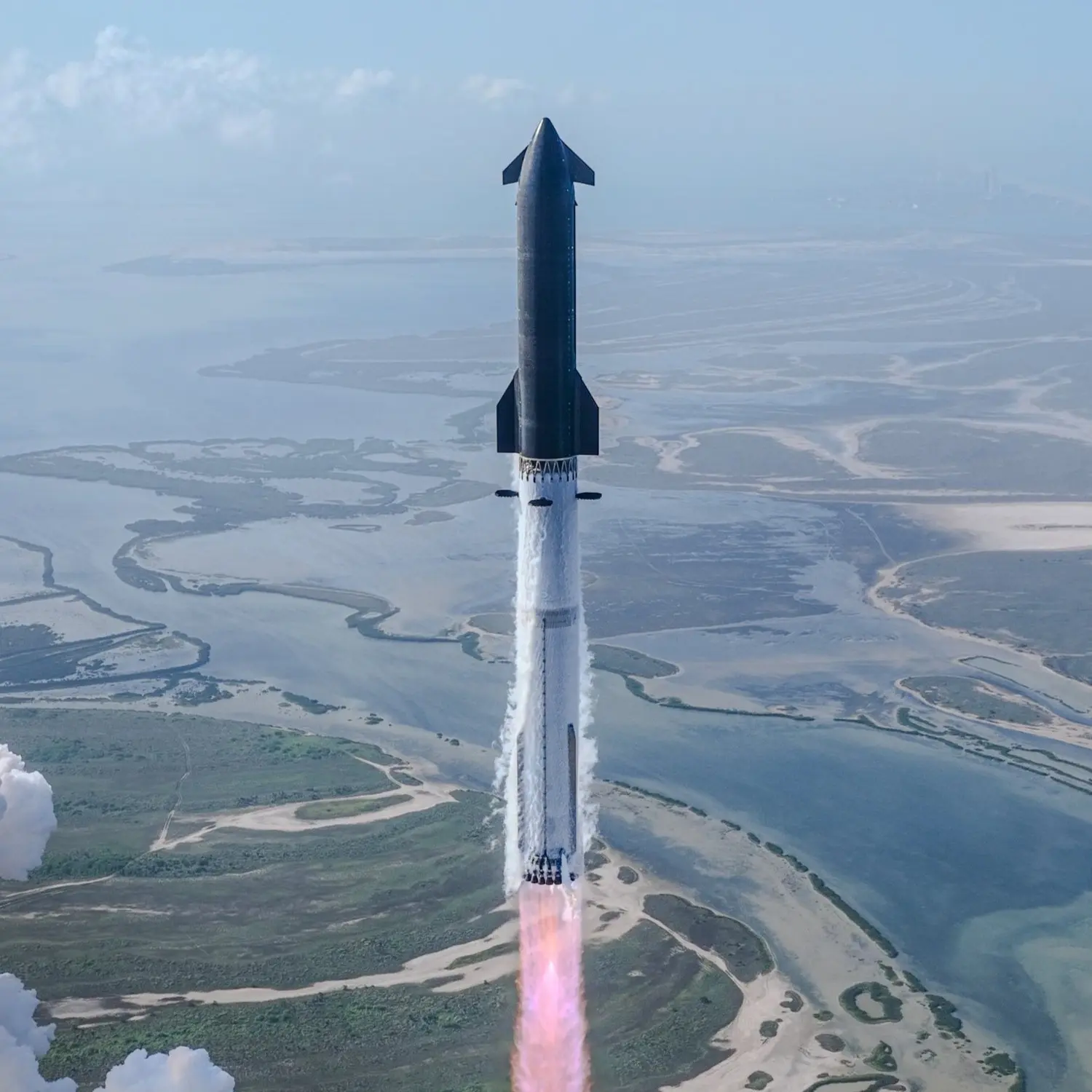
First orbital launch of Starship and first launch of an operational payload. Starship successfully reached orbit and deployed all payloads, but the mission duration was shortened from ~10 hours to ~3 hours after a Raptor Vacuum engine shutdown early during the ascent.
Starlink Group 31-1
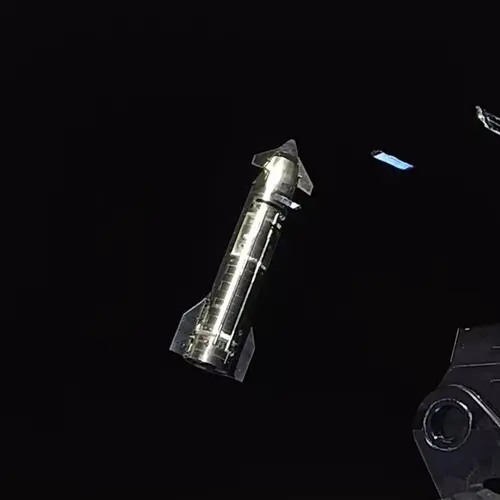
Starship will deliver 26 Starlink V3 satellites to orbit for the first time, which aim to greatly expand the network's capacity and user speeds. Each Starlink V3 satellite will add 1 Tbps of capacity to the constellation, for a total of 26 Tbps of capacity added on this mission alone. That’s ~10x the capacity compared to a single launch of V2 mini Starlink satellites on Falcon 9. After deploying from Starship, the Starlink V3 satellites will unfold their antennas and deploy their solar arrays and make initial contact with the ground and the rest of the Starlink constellation via radio frequency and laser links. The satellites will then begin raising their orbits with their onboard thrusters. Following their on-orbit checkouts, the satellites should begin serving customers as soon as a few weeks after launch. Three of the satellites have been modified with a suite of cameras to scan Starship’s heatshield and transmit imagery down to operators to continue testing methods of analyzing Starship’s heatshield readiness for return to launch site on future missions.
Manufacturer: SpaceX
Operator: SpaceX
Low Earth Orbit
26 Payloads
Starship Flight 14
Starship’s first orbital mission is expected to fly at an altitude approximately 275 km above Earth and complete approximately six orbits around the planet over the course of a nearly 10-hour flight, with splashdown targeted in the Pacific Ocean to the west of Chile. The Starship upper stage’s primary objectives include the first orbital insertion maneuver, the deployment of 26 Starlink V3 satellites, a deorbit burn using a single Raptor engine while in space, and a controlled reentry, descent, and splashdown in the Pacific Ocean. Starship will only execute a burn to enter orbit after the flight control team has ensured there is sufficient redundancy on hardware critical to doing the subsequent deorbit burn at the end of the mission. A pair of health checkout waypoints are expected during the orbital cost phase and after payload deployment. If the ship is not deemed safe enough to continue in orbit, Mission Control could decide to shorten the mission down to two or five orbits, depending on when in the orbital coast this decision happens. The booster’s primary test objective on Flight 14 will be executing a successful launch, ascent, stage separation, boostback burn, and landing burn at an offshore landing point in the Gulf. There have been several modifications to hardware and software to address issues seen on the previous flight.
Low Earth Orbit
Rocket

Agency
SpaceXRocket
Diameter: 9m
Height: 124.4m
Payload to Orbit
LEO: 100,000 kg
Liftoff Thrust
80,800 Kilonewtons
Fairing
Diameter: 9m
Stages
2
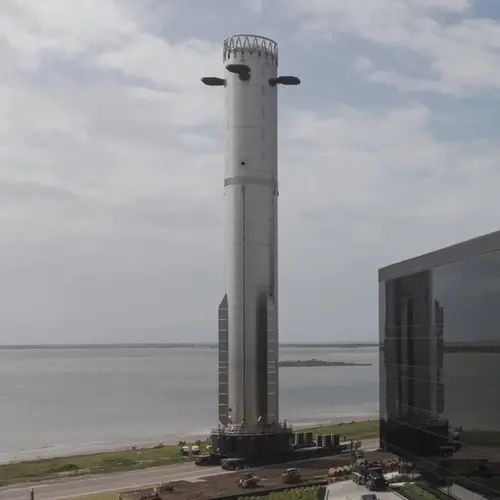
Launch Site

Stats
Starship
14th
Mission
3rd
Mission of 2026
SpaceX
723rd
Mission
113th
Mission of 2026
2026
233rd
Orbital launch attempt