/
Space Launch System

Description
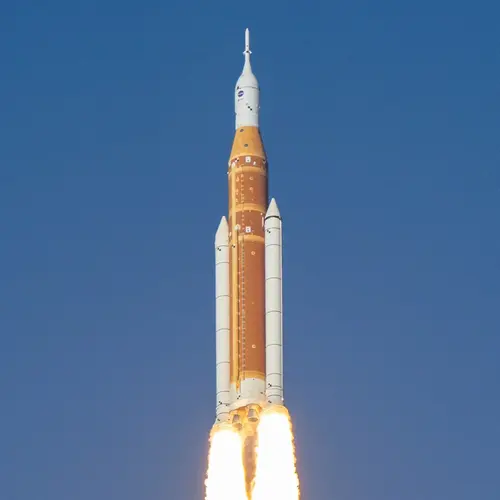
The Space Launch System (SLS) is an American Space Shuttle-derived super heavy-lift expendable launch vehicle, which has been under development by NASA in the United States since its announcement in 2011. It has become the primary launch vehicle of NASA's deep space exploration plans including the planned crewed lunar flights of the Artemis program to the Moon and a possible follow-on human mission to Mars. The first, second, and fourth flights will use the Block 1 configuration with a modified Delta Cryogenic Second Stage (DCSS) from the Delta IV family called the Interim Cryogenic Propulsion Stage (ICPS). It was planned to replace the ICPS with a larger, more powerful Block 1B configuration with an Exploration Upper Stage (EUS), but this configuration was cancelled in favor of a "standardized" near-Block 1 configuration with a Centaur V upper stage from ULA's Vulcan rocket. The third flight will use no upper stage.
Missions
2
Success Rate
100.0%
Successes
2
Failures
0
Success Streak
2
Partial Failures
0
Next Up
Artemis III
Previous

Artemis II
Artemis I
Configurations
SLS Block 1/ICPS
Active Since 2022
Price
$876.00 million
Rocket
Height: 98.1m
Payload to Orbit
LEO: 95,000 kg
Liftoff Thrust
39,440 Kilonewtons
Stages
2
Strap-ons
2
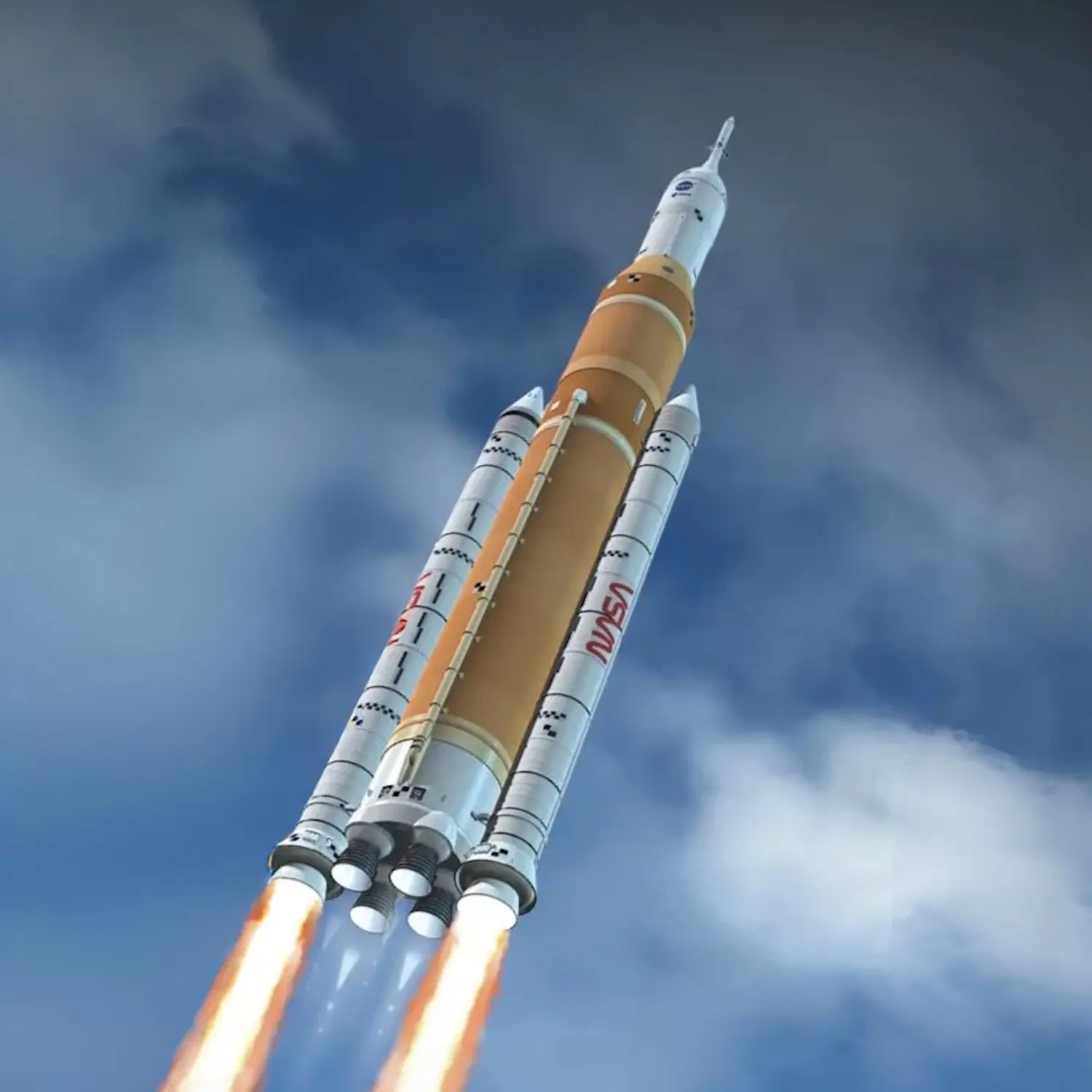
SLS Block 1/Centaur
Price
$876.00 million
Rocket
Height: 98.1m
Liftoff Thrust
39,440 Kilonewtons
Stages
2
Strap-ons
2
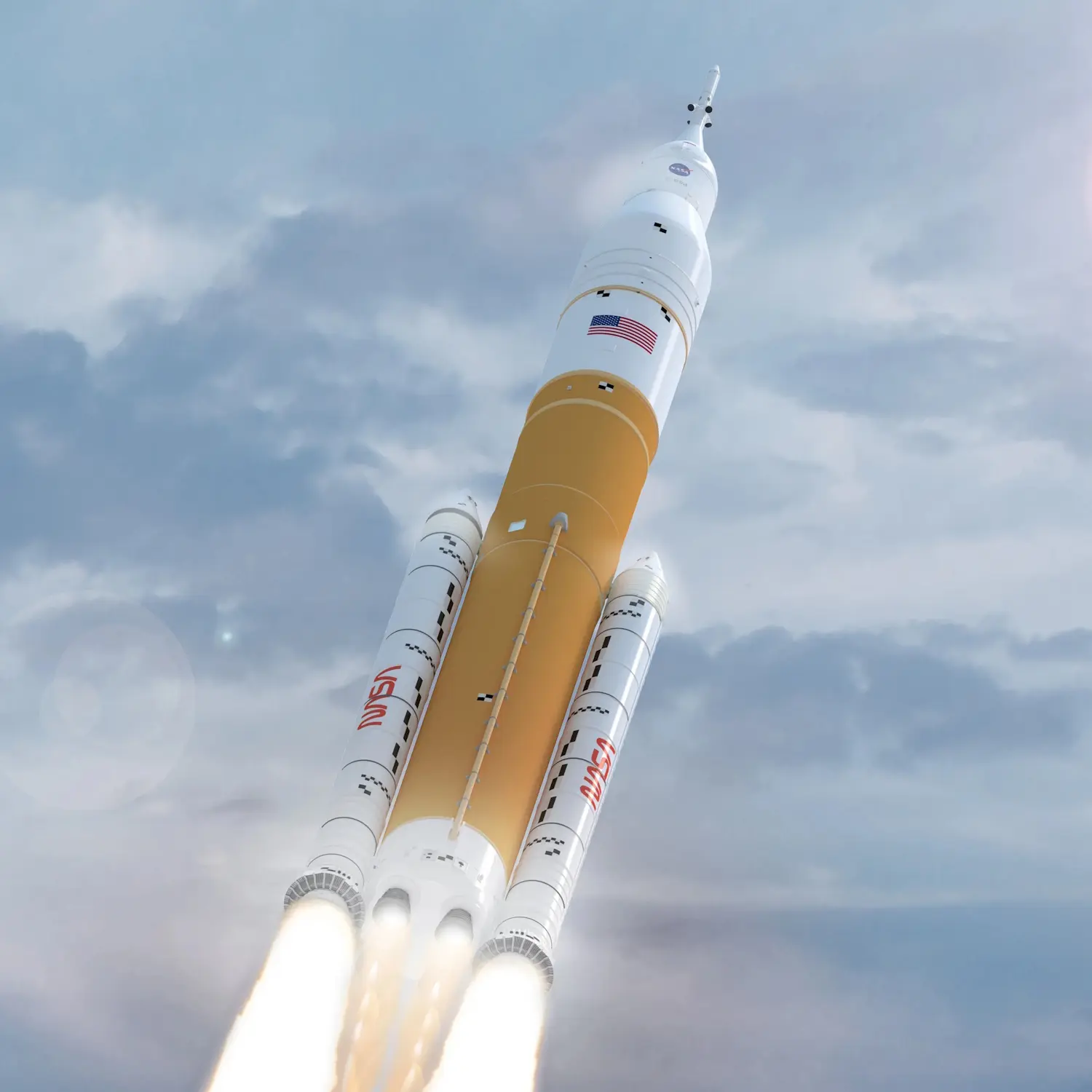
SLS Block 1B
Price
$876.00 million
Rocket
Height: 111m
Payload to Orbit
LEO: 105,000 kg
Liftoff Thrust
39,440 Kilonewtons
Stages
2
Strap-ons
2
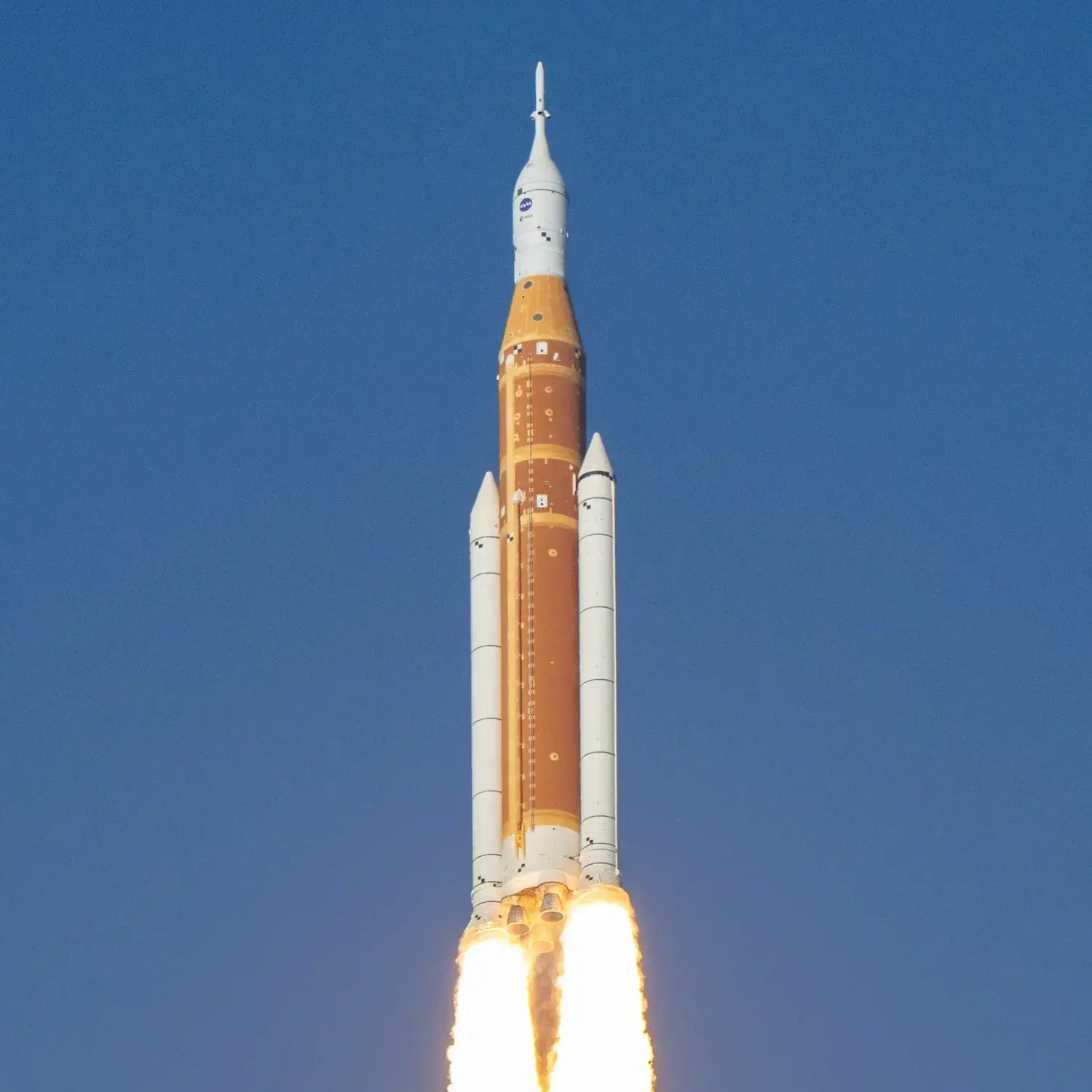
SLS Block 1
Price
$876.00 million
Rocket
Height: 98.1m
Liftoff Thrust
39,440 Kilonewtons
Stages
1
Strap-ons
2